

 Feed back
 Privacy Policy
Finova
Why Should You Care About the 2025 Economy?
When we hear people talk about “the economy,” it can feel like something far removed from everyday life—something that politicians, Wall Street analysts, or central bankers deal with behind closed doors. But in truth, the economy touches almost everything we do. It affects how much we pay at the grocery store, the cost of gas, the interest on our credit cards or mortgages, and even the kinds of jobs available in our communities.

In 2025, a lot of Americans are starting to feel the squeeze. Prices are still noticeably higher than they were just a few years ago, borrowing money is more expensive thanks to high interest rates, and job growth has slowed in certain parts of the country and industries. It’s no surprise that many people are asking: What’s really going on with the U.S. economy—and how is it going to affect my personal finances?
That’s exactly what this article aims to unpack. We’ll walk you through the major trends in plain, straightforward language—no financial jargon, no confusing charts—just the essential information you need to understand how the economy is shifting and what you can do about it. Whether you’re trying to stay on top of your bills, make smarter investment decisions, or simply keep up with the news, this guide is here to help.
The U.S. economy in 2025 is expected to grow, but at a slower pace than in recent years. According to the International Monetary Fund (IMF), U.S. GDP is projected to increase by around 1.9%, down from 2.8% in 2024. Other forecasts, such as those from Kiplinger (1.7%) and Deloitte, support a similar trend: growth is continuing, but momentum is weakening.
This slowdown isn’t necessarily bad news—it often signals a maturing economy after a period of rapid recovery. However, it does mean that job creation may slow down, business investments may decline, and wage increases may level off for many Americans.
So, what’s behind this slower growth?
High borrowing costs: The Fed's past rate hikes to fight inflation continue to make loans expensive for everyone.
Global uncertainties: Ongoing geopolitical tensions, supply chain adjustments, and a shifting energy landscape have added unpredictability to the global economy.
Consumer fatigue: After years of high spending post-pandemic, many households are pulling back, especially as debt levels rise and savings shrink.
Still, it’s important to note that this is not a recession. The U.S. economy is expanding, just more cautiously. For the average person, this might mean more stable prices, slower wage growth, and a need to plan finances more carefully in the coming months.
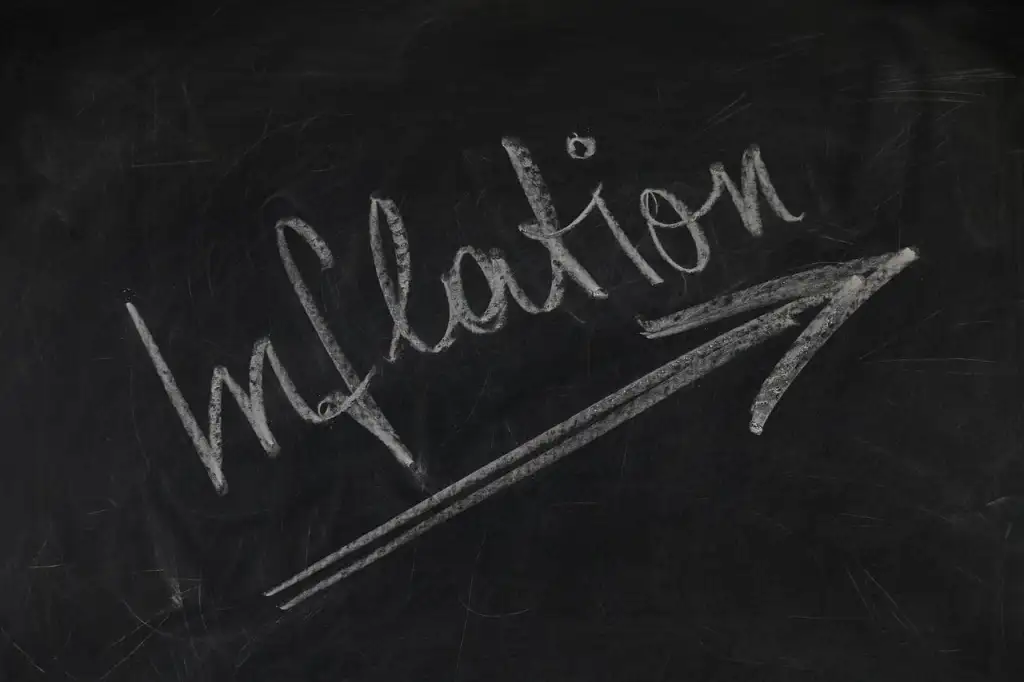
After hitting record highs in 2022, inflation in the U.S. has been gradually cooling—but it’s still a concern for many Americans. In 2025, the inflation rate is expected to hover around 3.0%, slightly above the Federal Reserve’s long-term target of 2%.
Let’s put that into perspective:
In 2022, prices surged by 8.0%, the highest rate in over 40 years.
Since then, inflation has come down steadily: 4.1% in 2023, 3.2% in 2024, and now 3.0% in 2025.
While this is an improvement, many households still feel the pinch—especially when it comes to housing, groceries, utilities, and health care.
Why Are Prices Still High?
Sticky costs: Once prices rise, they don’t always come back down. For example, rent and medical services often stay elevated.
Supply chain adjustments: Even post-pandemic, global disruptions continue to affect the cost of goods.
Higher wages: Companies paying more to keep workers pass some of that cost to you.
What Does It Mean for You?
Everyday essentials might not spike like they did in 2022, but they’re unlikely to get much cheaper.
Budgeting becomes even more important—small increases add up over time.
Interest rates remain high as the Fed tries to keep inflation in check, which means credit card debt and loans stay expensive.
For now, inflation is under better control, but its effects on household budgets are still very real.

The job market in 2025 is showing mixed signals. On one hand, unemployment remains relatively low, around 4.2%, indicating that most people who want work can still find it. On the other hand, job creation has slowed compared to the booming post-pandemic years, and some sectors are tightening their hiring.
Where Are the Jobs?
Not all industries are affected equally. According to projections:
Healthcare continues to lead in job growth (+3.2%), driven by an aging population and rising demand for medical services.
Technology remains strong (+2.8%), especially in AI, cybersecurity, and green energy development.
Hospitality and tourism are rebounding, but more slowly (+2.0%).
Manufacturing and retail show modest gains (1.5% and 1.2%), while finance is nearly flat (+0.8%).
What Challenges Do Workers Face?
Slower wage growth: While wages rose rapidly during the pandemic recovery, they are now stabilizing. In many cases, they’re not keeping up with inflation.
AI and automation: Some routine jobs are being replaced or restructured, especially in retail, logistics, and administrative roles.
Remote work reshuffling: Some companies are cutting back on remote options, while others are going fully virtual—creating uncertainty for employees.
Good News: Upskilling Pays Off
Those who invest in new skills—especially in healthcare, tech, and clean energy—are more likely to land stable, well-paying jobs. Many states and community colleges are offering low-cost or free workforce training programs, and now is a smart time to take advantage of them.

Why Should You Care About Interest Rates?
Interest rates affect almost everything—your mortgage, your credit card bills, your student loans, and even how much you earn from your savings account. In 2025, the Federal Reserve (the Fed) remains at the center of the economic conversation as it navigates a tough balancing act: fighting inflation without hurting growth.
Current Interest Rate Landscape
As of mid-2025, the federal funds rate sits between 4.75% and 5.00%, slightly lower than the 2024 peak but still well above pre-pandemic levels. The Fed has signaled a "wait and see" approach—pausing rate hikes while closely monitoring inflation and job data.
How High Rates Affect Your Life
Mortgages: The average 30-year fixed mortgage rate is hovering around 6.8%, making monthly payments on new home loans significantly higher than just a few years ago.
Auto Loans: Borrowing for a car now costs more, with average rates around 7.2%.
Credit Cards: Many cards now charge APRs exceeding 20%, adding pressure on households carrying balances.
Savings: The silver lining? High-yield savings accounts offer returns of 4.5%–5%, rewarding those who save.
Why the Fed Keeps Rates High
The Federal Reserve’s 2% inflation target hasn’t been met—core inflation (excluding food and energy) remains sticky at 2.9–3.2%. Until price pressures cool off further, the Fed is unlikely to cut rates aggressively.
What You Can Do
Lock in fixed-rate loans: Avoid variable interest rates if possible—they could rise again.
Pay down high-interest debt: Start with credit cards and personal loans.
Shop around for better savings returns: Online banks may offer better yields than traditional ones.
Diversify investments: Bonds and money market funds are more attractive when rates are high.
Interest rates are more than just numbers on the news—they directly affect your budget, your debt, and your financial future. Understanding how to adapt can save you thousands.

In 2025, the U.S. stock market has shown mixed signals. The Dow Jones Industrial Average (DJIA) remained relatively flat for much of the year, reflecting investor caution around traditional industries. In contrast, the Nasdaq Composite posted modest gains, driven largely by tech sector recovery and renewed interest in artificial intelligence. The S&P 500, a broader measure of the market, hovered just above 2024 levels, signaling a period of consolidation rather than aggressive growth.
Investor sentiment is cautiously optimistic. While fears of inflation and interest rate uncertainty persist, many retail and institutional investors are still betting on long-term growth, particularly in sectors like green energy, healthcare innovation, and AI. However, market volatility remains a concern, especially amid ongoing geopolitical tensions and mixed economic data.
For everyday investors, 2025 is a crucial time to focus on risk diversification. Experts recommend spreading investments across various asset classes—such as index funds, which track the market with lower fees; U.S. Treasury bonds, which offer stability and are now yielding slightly higher returns; and tax-advantaged retirement accounts like 401(k)s and IRAs. These strategies help protect against short-term market swings while building long-term financial security. In uncertain times, diversification isn't just a financial tactic—it’s peace of mind.

The housing market cools in 2025, but affordability remains a major hurdle:
Home Prices: Slower Growth, Regional Splits
National price growth slows sharply vs. pandemic peaks. Expect modest changes overall.
Key Divide: Cooling likely in "Sun Belt" boom towns (e.g., parts of FL, TX, AZ), while prices hold steadier on the coasts and in high-demand cities due to limited supply.
Rent Relief: Easier Breathing Room
Rent growth finally nears normal levels after recent spikes. More new apartments (supply) and people staying put (demand) help stabilize costs.
The "American Dream" Dilemma
First-Time Buyers: Face significant pressure. Record-high prices combined with mortgage rates still well above 2021 lows make monthly payments daunting. Saving a down payment is tough, and competition for starter homes is fierce.
Investors: See slower price gains but benefit from rental income. Finding good deals gets harder. They often outcompete first-timers with cash offers.
The market stabilizes in 2025, offering renters some relief. However, high prices and mortgage costs keep homeownership a steep climb for many, especially those competing with investors for affordable homes.

The financial health of American families will be a critical factor in the 2025 economy. Here's a snapshot of the key pressures and how to navigate them:
Savings vs. Debt: A Shifting Balance
Savings Buffer Waning: The extra savings many families built up during the pandemic are largely depleted. The national savings rate is expected to stay relatively low compared to pre-pandemic levels. While a strong job market helps, high living costs make it harder to rebuild this crucial safety net.
Debt Burden Rising: Total household debt is near record highs (data from the Federal Reserve Bank of New York). This combination – lower savings cushions and high debt – makes families more vulnerable to unexpected expenses or economic hiccups.
The Debt Landscape: Key Areas to Watch
Credit Card Debt: This remains a major pain point. Balances are high, and interest rates are still elevated, even if the Fed cuts rates slightly. Carrying a balance month-to-month has become significantly more expensive. Reports from the Consumer Financial Protection Bureau (CFPB) highlight growing concerns about credit card delinquencies.
Student Loans: Repayments are fully back in swing. This significant monthly expense is squeezing budgets for millions of borrowers, potentially limiting their spending on other goods and services or their ability to save.
Auto Loans: High car prices combined with past higher interest rates mean many households have substantial monthly car payments. This adds another fixed cost burden.
Staying Financially Healthy: Practical Steps
While the environment is challenging, focusing on fundamentals is key:
Master Your Budget: Knowing exactly where your money goes is the first step. Track income and expenses diligently. Free apps or simple spreadsheets can help. Look for areas to cut back, even small amounts add up.
Build (or Rebuild) Your Emergency Fund: Aim for 3-6 months' worth of essential living expenses. Start small if necessary – even $500 can prevent needing high-interest debt for a minor crisis. Make this a non-negotiable priority.
Tackle High-Interest Debt: Focus aggressively on paying down credit card balances first. Their high interest rates can quickly snowball. Consider strategies like the debt avalanche (highest rate first) or debt snowball (smallest balance first) method.
Spend Mindfully: Be conscious of discretionary spending. Differentiate between "wants" and "needs." Avoid relying heavily on "Buy Now, Pay Later" services, which can lead to overspending.
Review Loan Terms: If struggling with payments (like student loans), explore income-driven repayment plans or refinancing options (if rates drop significantly and your credit is strong).
Many US households face pressure in 2025 due to high living costs, significant debt loads (especially credit cards and student loans), and depleted savings buffers. Prioritizing budgeting, building an emergency fund, and aggressively managing high-cost debt are essential strategies for weathering potential economic uncertainties and maintaining financial stability.

The 2025 economic landscape will be heavily shaped by November's election results and the resulting policy shifts. Here are what it means for you:
Tax & Spending Showdown:
Biden Continuation: Likely focuses on raising taxes for corporations and high earners to fund social programs, climate initiatives, and deficit reduction. Extending expiring Trump-era middle-class tax cuts would be a priority. Policies aiding students, parents (like expanded Child Tax Credit), and green energy could expand.
New Republican Administration: Expected to push for broad individual and corporate tax cuts, potentially extending all Trump-era cuts. Spending cuts targeting regulations, social programs, and climate policies are likely. Emphasis on fossil fuel development and reduced business regulation.
Who Feels the Impact?
Middle-Class Families: Tax burden is key. Biden aims to shield them; GOP plans might offer broader cuts but potentially less targeted relief. Student loan relief efforts (Biden) vs. repeal (GOP) is a major differentiator.
Small Businesses: GOP focus: Lower taxes, less regulation. Biden focus: Targeted support (e.g., R&D credits, clean energy grants), potentially offset by higher taxes on profits over $400k and stricter labor/environmental rules.
Homeowners: Mortgage interest deduction and SALT (state and local tax deduction) caps are potential battlegrounds. Changes here directly affect after-tax housing costs.
The Elephant in the Room: National Debt
The Problem: The US debt is massive ($35+ Trillion) and growing. High interest rates make borrowing much more expensive, eating into funds for other priorities.
The Cost: Rising debt risks:
Higher Future Taxes: Eventually, taxes must rise or spending must fall drastically to pay the interest and principal.
Economic Drag: Excessive debt can crowd out private investment and potentially fuel future inflation.
Vulnerability: Makes the US more sensitive to global investor confidence shifts.
The Debate: Neither party has a clear plan to significantly reduce the deficit soon. Biden emphasizes taxing the wealthy; Republicans emphasize spending cuts and growth. Meaningful action is politically difficult, especially in 2025.
The 2024 election is a powerful lever for your 2025 finances. It dictates tax rates, support programs, regulatory burdens, and energy costs. While immediate impacts on the massive national debt might be limited, its long-term shadow – demanding future sacrifices – grows larger. Pay close attention to the candidates' specific plans for taxes and spending that hit your household or business.

Feeling overwhelmed by the economic outlook? Focus on what you can control. Here’s how to build financial resilience in 2025:
Build Your Financial Shock Absorbers:
Emergency Fund First: Make this your top priority. Aim for 3-6 months of essential living expenses (rent, food, utilities). Start small if needed – even $500 helps. Park it in a high-yield savings account (HYSA) for easy access and some growth.
Debt Defense: Attack high-interest debt aggressively, especially credit cards. Their rates eat your budget alive. Consider strategies like the "debt avalanche" (highest rate first) or "snowball" (smallest balance first) method. Student loans? Explore income-driven repayment plans if needed.
Budget Like a Pro: Know exactly where your money goes. Track income and expenses (free apps like Mint or spreadsheets work). Identify "wants" vs. "needs." Cut back on non-essentials like frequent dining out, subscriptions you don't use, or impulse buys.
Spend & Invest Wisely:
Trim Smartly: Focus cuts on flexible categories:
Discretionary Spending: Entertainment, dining, travel, premium services.
Recurring Charges: Review subscriptions (streaming, apps, memberships) – cancel unused ones.
Brand Loyalty: Shop generic brands, use coupons, compare prices.
Energy Costs: Small home efficiency tweaks can add up.
Invest Cautiously: Prioritize stability in uncertain times:
Retirement Accounts: Keep contributing to 401(k)s/IRAs, especially if you get an employer match (it's free money!). Choose diversified, low-cost funds.
High-Yield Savings (HYSAs) & CDs: Great for emergency funds and short-term goals. Earn decent interest with low risk.
Government Bonds: Consider Treasury bills or I-Bonds for very safe savings (I-Bonds protect against inflation).
Diversify: Avoid putting all your eggs in one basket (like a single stock). Index funds or ETFs spread risk.
Be Wary: Approach speculative investments (crypto, meme stocks) or complex products with extreme caution.
Tap Free & Low-Cost Help:
Government Resources:
MyMoney.gov: (U.S. Treasury) Central hub for free financial education tools and guides.
Consumer Financial Protection Bureau (CFPB): Offers unbiased info on mortgages, credit cards, debt collection, and financial rights.
Benefits.gov: See if you qualify for government assistance programs.
Financial Coaching: Non-profits like the National Foundation for Credit Counseling (NFCC) offer free or low-cost credit counseling and debt management plans.
Skills & Jobs: Boost earning potential:
Local Community Colleges: Often offer affordable career training and certification programs.
State Workforce Agencies: Provide job search help, training programs, and unemployment resources (find yours via CareerOneStop.org).
Online Learning: Platforms like Coursera or edX offer free/audit options for courses from top universities.
Don't wait for the economy to dictate your finances. Take charge in 2025 by building savings, crushing high-cost debt, spending mindfully, investing prudently, and using free resources to boost your knowledge and skills. Small, consistent steps build significant financial security over time.
As we look ahead in 2025, the U.S. economic and financial landscape remains uncertain and full of challenges. The key to navigating this environment is to adapt to changing conditions, plan carefully for your financial future, and stay flexible in your approaches. Being prudent and steady with your choices will help you manage risks and seize opportunities as they arise.
While the economy will experience ups and downs, remember that you have the power to make smart decisions that protect and grow your financial well-being. With the right mindset and preparation, you can confidently face whatever the year may bring. Stay informed, stay thoughtful, and stay resilient—your best economic future starts with the choices you make today.
Disclaimer: The information provided about is for educational purposes only and does not constitute professional advice. Readers should consult qualified healthcare providers for individual guidance. The author and publisher assume no liability for actions taken based on this content.
Ubin
|
2025.08.06
