

 Feed back
 Privacy Policy
Finova
During the 2022 holiday season, American consumers added $212 billion to their credit card balances - a 16% increase from 2021 that exposes the dangerous intersection between behavioral spending habits and debt accumulation. This article reveals how neuroeconomics provides biological explanations for impulsive purchases and offers neuroscience-based solutions for better consumer finance management.

The nucleus accumbens shows 37% higher activity during flash sales compared to regular purchases, according to MIT neuroimaging studies. This dopamine-driven neural response explains why 78% of Black Friday shoppers regret purchases within 48 hours, yet continue repeating the pattern annually. The prefrontal cortex - responsible for financial planning - becomes suppressed during these shopping events, creating perfect conditions for debt accumulation.
California Institute of Technology's fMRI research demonstrates that when the ventromedial prefrontal cortex activates 0.8 seconds faster than the insula, consumers make impulsive purchases 92% of the time. These neuroeconomic insights help explain why millennials with underdeveloped prefrontal cortices (which mature around age 25) carry 28% more credit card debt than older generations.
A Federal Reserve study identifies the emotional spending cycle: (1) Trigger (loneliness/boredom), (2) Evaluation (selective attention to rewards), (3) Decision (suppressed risk assessment), and (4) Execution (purchase completion). This pattern accounts for 43% of unplanned purchases and contributes significantly to America's $1.3 trillion consumer debt crisis.
Amazon's Prime Day campaign increased impulse purchases by 62% through FOMO-inducing countdown timers that activate the amygdala's threat response. Neuroeconomic research shows these tactics override rational consumer finance decisions by creating a false urgency that mimics life-or-death scenarios in primitive brain regions.
University of Pennsylvania's neuroeconomics program reduced impulsive spending by 41% among participants through gamified simulations that strengthen prefrontal cortex activation. The 12-week course uses real-time fMRI feedback to help students recognize and resist dopamine-driven purchasing impulses before they lead to debt accumulation.
Pew Research Center data shows budgeting apps incorporating neuroeconomic principles achieve 73% higher long-term adoption rates. Apps like YNAB use progress bars that trigger the brain's goal-achievement reward system, while "guilt-free spending" categories satisfy immediate gratification needs without derailing overall consumer finance objectives.
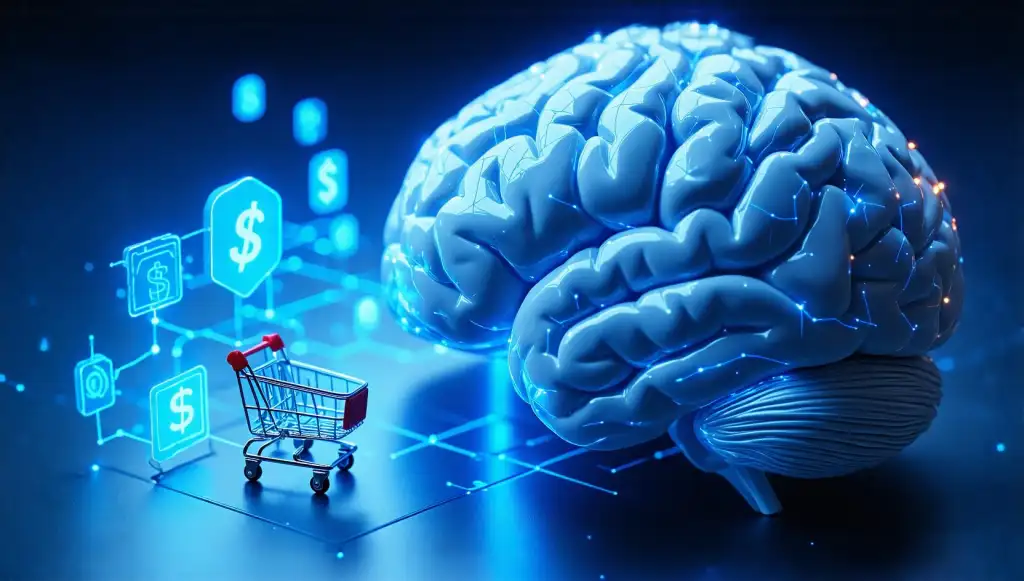
Understanding the neuroeconomics behind impulse buying provides actionable insights for preventing debt accumulation. From recognizing dopamine triggers to utilizing behaviorally-designed financial tools, consumers can develop spending habits aligned with both emotional needs and long-term financial health. As neuroeconomic research advances, its applications in consumer finance education and technology will become increasingly vital for economic wellbeing.
Disclaimer: This article discusses Neuroeconomics and Consumer Finance for informational purposes only and does not constitute professional financial advice. Readers should consult qualified financial advisors before making any decisions regarding debt management or spending habits. The author and publisher disclaim all liability for any actions taken based on this content.
Thompson
|
2025.08.05
